Project Story
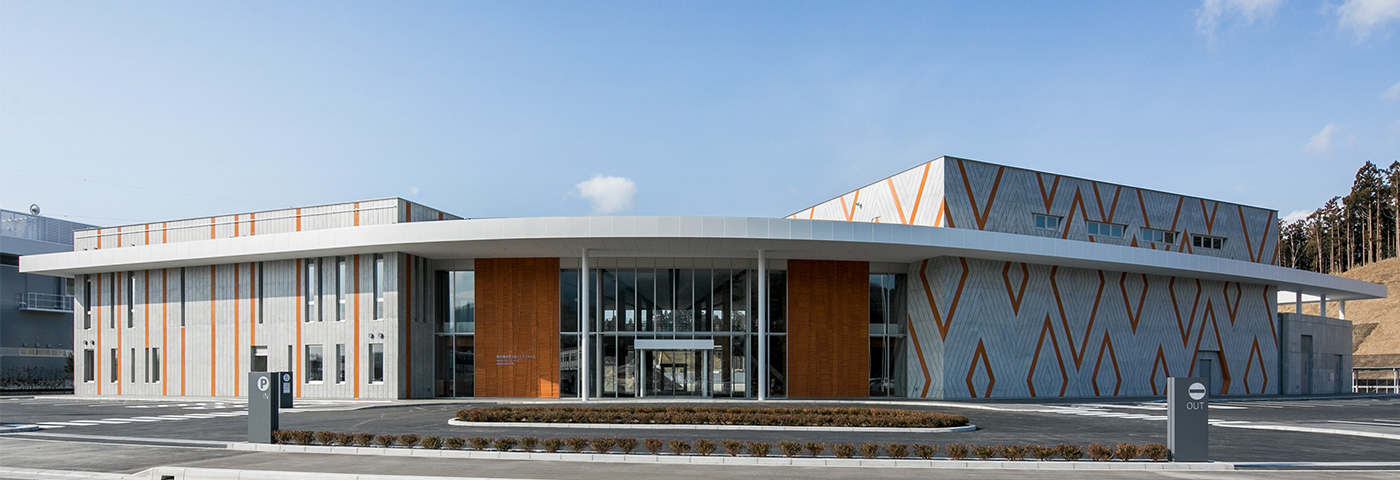
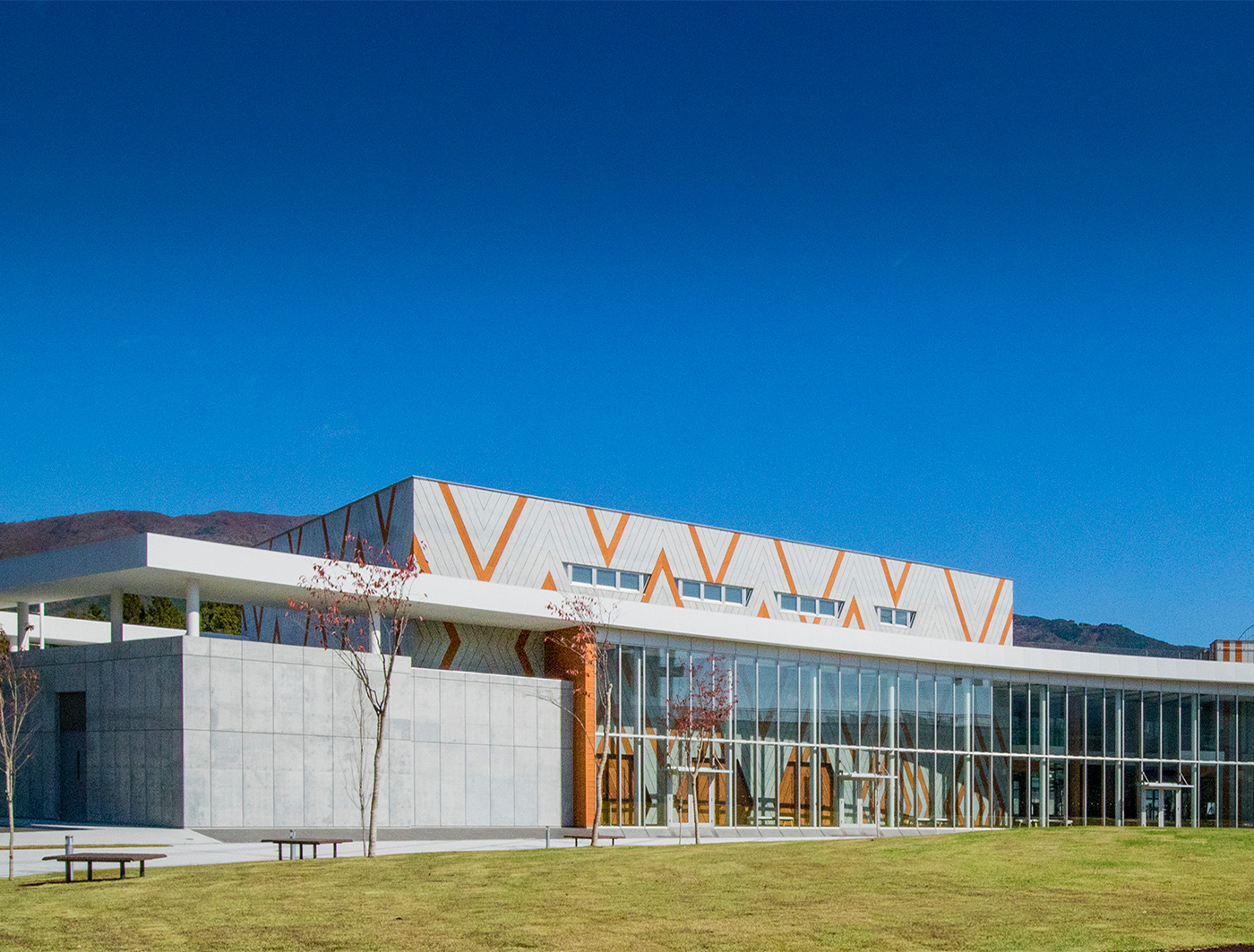
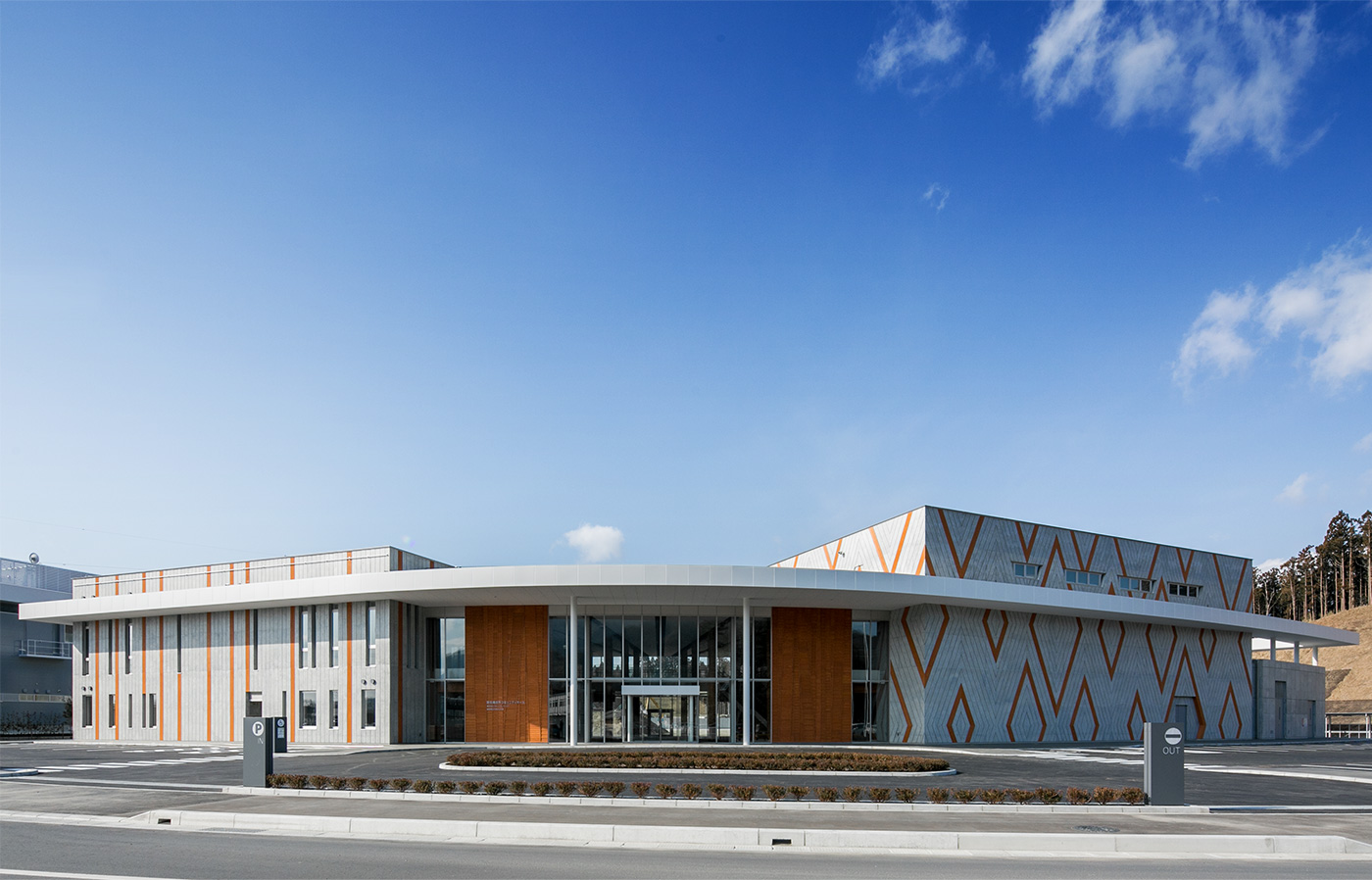
Rikuzentakata City Community Hall
陸前高田市コミュニティホール
Masaki Nakayama(Principal Architect) / Yoshiki Miyazaki(Architectural Department) / Shuichiro Mitomo(Architectural Department)
中山 勝貴 (設計部 設計統括) / 宮崎 美樹 (設計部) / 御供 秀一郎 (設計部)
A donation from Singapore started the process.
始まりはシンガポールからの寄付。
After the Great East Japan Earthquake in 2011, donations were received within Japan and from around the world. Singapore was among the donating countries. However, the way that Singapore delivered this donation was different from that of other countries. Principal Architect Masaki Nakayama explains how the project started. “We received a donation from the Singapore Red Cross that was made with the request that it be put to use for something concrete that would show how the donation was used to support recovery. During the summer after the earthquake, a non-profit organization called Aid TAKATA held a photo exhibition in Tokyo that showed terrible scenes of the disaster in Rikuzentakata City. The Singaporean Ambassador attended this exhibition and met the mayor of Rikuzentakata. The Ambassador asked what was the one thing they needed the most and the mayor replied that they needed a place for people to gather. They had finally erected temporary accommodation but they did not yet have anywhere to create a sense of community.”
東日本大震災のときは、日本のみならず、世界各地で寄付が集められた。シンガポールもそんな国のひとつだ。しかし寄付の届け方が他の国とは異なった。設計部の中山はプロジェクトスタートのきっかけをこう説明する。「シンガポールの赤十字から寄付を届けたいけれど、日本の赤十字や行政にわたすのではなく、できれば目に見えるカタチ、もっと具体的に言うと自分たちの寄付がどのような復興支援になったかわかるようにしたいという要望があったのです。そんなとき、震災後の夏に、「Aid TAKATA」という非営利団体が、陸前高田市の惨状を伝える写真展を東京で開催しました。その写真展にシンガポールの公使がお越しになって、それを機にシンガポールと陸前高田の市長がつながりました。今、一番欲しい物は何ですかというシンガポール公使の問いに、市長は人が集まる場所が欲しいと答えました。やっと仮設住宅は建ったけれど、コミュニティを生み出す場所は、まだなかったのです」
Upon the recommendation by Singapore, Tange Associates was put in charge of design.
シンガポールからの推薦で設計を担当する。
Singapore agreed with the mayor’s proposal for a community center and it was decided that the donations collected in Singapore would be used for construction costs. Nakayama says that it was Singapore that recommended Tange Associates for the construction. “I think there was confidence in our company because we had done a lot of work in Singapore in the past. The proposal was also approved by Rikuzentakata and we were put in charge of the project.”
市長からの提案をシンガポール側は了承した。シンガポールで集まった寄付をその建設費に使ってもらおうと考えた。その建設にあたってTANGE建築都市設計を推薦したのはシンガポールからだったと中山は言う。「弊社はシンガポールでの仕事をたくさんしてきましたから信頼があったのでしょう。その提案に陸前高田市サイドも了承してくださり、弊社がそのプロジェクトを担当することになりました」
Emphasis on design of a user-friendly building.
使い勝手のいい建物をめざす。
The Rikuzentakata City Community Hall project started with the goodwill of Singapore. So that area residents could visit casually and freely, Nakayama and his team decided to prioritize ease of use as well as functionality of the building. He explains, “After the earthquake, there was no public space in the city where people could gather. In difficult times, interaction and conversation between people are important. Connections with people soothe the mind and create hope for the future. For this reason, our objective was to provide a space where people could drop in and meet on a daily basis, where they could feel a sense of community.”
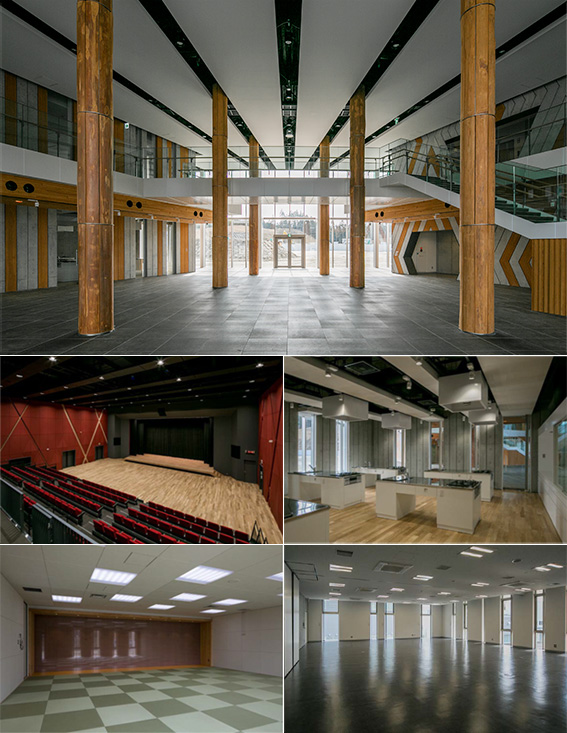
Nakayama adds that ease of use was important in the design. “We built a facility with a multi-purpose hall, conference rooms, Japanese-style rooms, and a kitchen. We thought that a multi-purpose hall with a capacity of 400 was unlikely to be used on a regular basis and that it was more likely that the conference and Japanese-style rooms would be used more frequently, so we decided to split it into two separate volumes under one roof. The design clearly divided the space in such a way that it could be seen and understood at a glance. In addition, we had the idea of using glass extensively to produce a sense of unity with the park in front as well as to enhance visibility of what kind of facilities the building contains, who is in the building, and what they are doing.”
The design team knew that they were on the right track when they received the following comment from one of the local residents: “When I went into a local café I was asked what kind of building was going to be built on the site. When I replied that it was going to be a community hall, the person said, “Oh, thank goodness. I hope you build a place that is easy to use and where people can just drop by.” Nakayama adds, “Once again we were convinced that a facility with usability for all, including children, the elderly, and non-Japanese residents was exactly what was needed for it to be used to its full potential.”
シンガポールからの善意からスタートしたプロジェクト。必要とされているのは、デザイン性よりも使い勝手のいい建物だと中山たちは考えた。「使い勝手といっても、建物の機能性だけに突き詰めたということではありません。震災後、この街では人が集える、公共の空間もありませんでした。大変なときこそ、人とのふれあいや会話が大切です。人とのつながりが心を癒し、明日への希望を見いだすものです。そのためには日常的に、ふらっと集える空間、構えることもなく気安く出かけることができる空間、そんな意味でも使い勝手のいい空間をめざしたのです」
もちろん設計においても使い勝手のよさは追求したと中山は付け加えた。「敷地内には多目的ホールと、会議室、和室、調理室などの施設を造ることになりました。私たちは、約400人も収容できる多目的ホールはそう頻繁に利用されることはないだろう、使われるのは会議室や和室が中心になるはずだから、ひとつの屋根の下に設計するとしても、このふたつの部分をはっきり分けることが市民のみなさんの使い勝手のよさに繋がるだろうと考えました。デザインもどの空間かひとめでわかるようにはっきりと分けました。また、ガラスを多用しているのは公園との一体感を演出する他に、外からでも建物の中にはどんな施設があるのか、誰がいるのか、何が行われているのかがわかるようにとの想いからです」
そんな中山たちの想いは間違っていなかったと実感する一言を地元の人からもいただいたという。「地元の喫茶店に入ったときのことです。店の方からあそこに何ができるのかと聞かれてコミュニティホールだと言うと、『それはありがたいわ。みんなが気軽に行ける、利用しやすい建物を造ってね』って言われたのです。子どもやお年寄り、外国人の方、誰にとっても使い勝手がいい施設だからこそずっと使ってもらえるんだと改めて確信しました」
Giving shape to the presence of the sea.
海を感じる大切さをカタチにする。
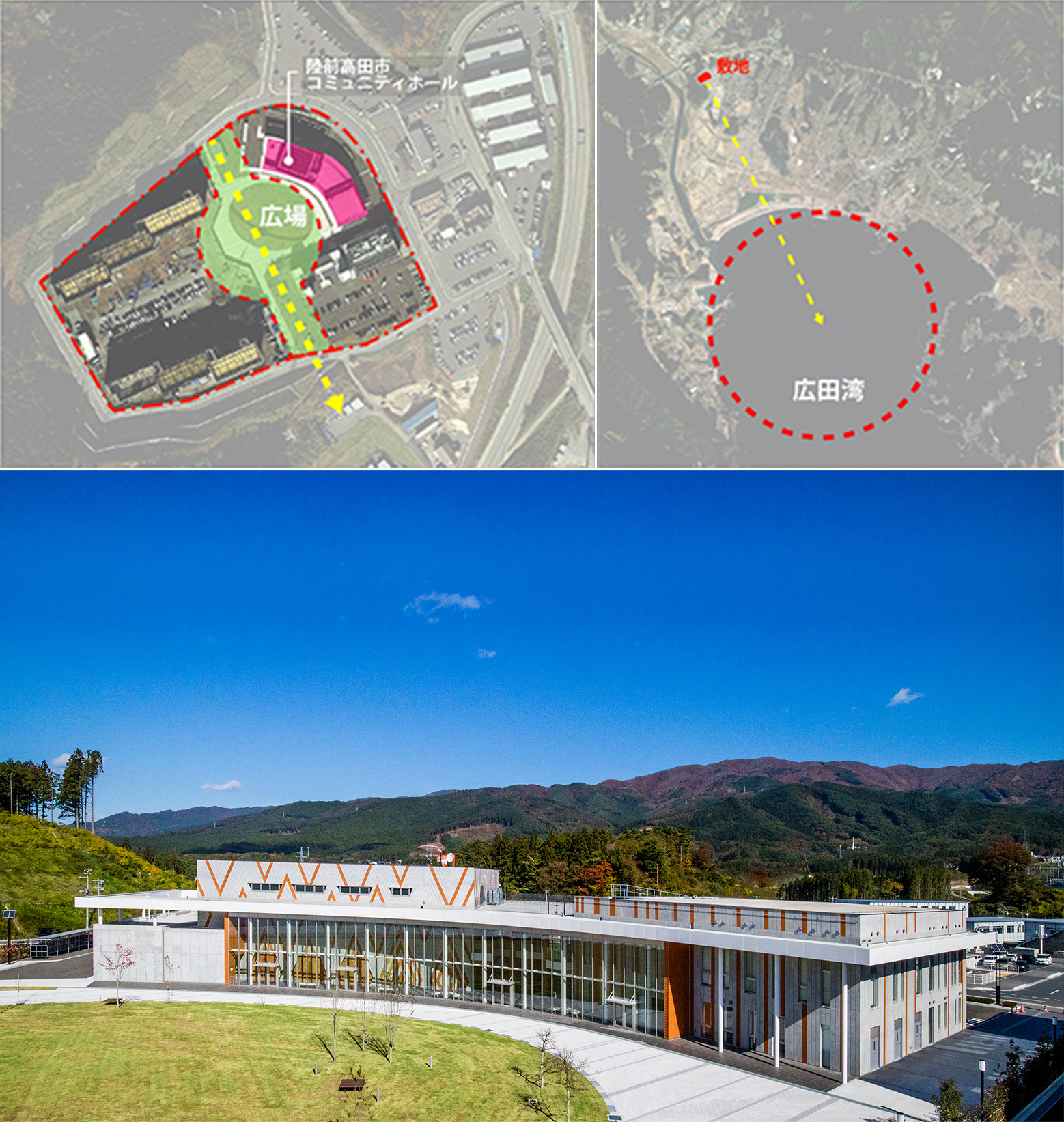
Rikuzentakata City Community Hall is built on elevated ground and looks out over the sea. Nakayama tells us that this project, as with others, reflects the Tange Associates concept of “Design that takes advantage of the features of the location.” He explains, “The site was originally on a hill so we cut away the earth and prepared a new site. We avoided building right on the coast because of the realistic fear of another tsunami. If we had built on the other side of the hill, it would have been safe from a tsunami but it would lack the feeling of the sea. Since the people of Rikuzentakata have always lived with Hirota Bay in the background, we thought it important to maintain a connection with the sea. This is why we decided to create a design which took into consideration the sea even though it was on a hill. For example, the park’s main axis was designed to lead to Hirota Bay.”
陸前高田市コミュニティホールは海を見下ろす高台に建っている。このプロジェクトでも、TANGE建築都市設計の「立地を活かして設計する」という考えが反映されていると中山は教えてくれる。「敷地はもともと山だったところの土を切り取り、造成して新しく造った土地です。海辺は津波の再来が心配という現実的な理由から避けたのですが、山の向こう側なら津波からは安全かもしれないけれど海を感じることはできません。陸前高田の人々はずっと海を感じて暮らしてきた背景があり、それではさみしいと思うのです。だから山の向こうにある建物でも海を意識できる設計にすることを考えました。たとえばその一つが公園のメインストリート。この道は山の向こうに広がる広田湾へ続く設計となっています」
After the earthquake, the region.
震災後であること、地方であること。
The project progressed smoothly and the company reported regularly to the Singapore side. However, Nakayama says that there were difficulties typical to the project in a post-earthquake region and inconveniences typical of an area in recovery. “In the wake of the earthquake, the price of materials and labor gradually rose. These were unexpected rises, but we could not increase the budget so we adjusted the construction area and part of the plan. We didn’t have all the engineers we needed either. In addition, if it had been a project in Tokyo, construction would have been relatively easy, but in a disaster-stricken area, things took longer due to lack of manpower and other factors. Architecture is a job that makes dreams a reality but achieving these dreams means coming face to face with issues in reality. In particular, this was a project based on a donated recovery budget so the key was how to complete it as efficiently as we could. It is true that it was a very delicate project due the timing after an earthquake, the role of recovery support, and the location of the region.”
シンガポール側には状況を頻繁に報告しながらプロジェクトは順調に進展した。しかし震災後の地方のプロジェクトならではの難しさ、復興ならではの不自由さもあったと中山は言う。「震災の後ということもあって、資材や人材などの値段がどんどん上がっていきました。それは予想外の上がり方で、だからといって予算をアップすることはできません。建築面積を減らしたり、プランも一部変更したところがあります。技術者が揃わないこともありました。加えて東京のプロジェクトなら比較的容易にできる施工も、被災地では人手の問題などで時間がかかることもありました。建築は夢を描く仕事ですが、その実現には常に現実という課題が立ちはだかります。特に寄付や復興予算をベースにしたプロジェクトなので、無駄のないようにどうやって完成させるかがキーとなります。震災後という時期、復興支援という役割、そして地方というロケーションが重なるとてもデリケートなプロジェクトであったことは確かです」
Complete. Then continue. This is the significance of the project.
完成させる。そして続ける。そこに意義があるプロジェクト。
Having said that, Nakayama and his team strongly believed that completion of this project would provide encouragement to the community. “I think this Community Center project carried on the TANGE DNA+ in the way that Kenzo Tange worked on the design of the Hiroshima Peace Memorial Museum. Although he wanted to forget this terrible event, Kenzo Tange believed that it was important to preserve what needed to be preserved and pass it on to future generations. I think that the Rikuzentakata City Community Hall project was the same. It was a significant project that was truly necessary to the people in the community. It is important to make sure that the memories of the Great East Japan Earthquake do not fade even after work is completed. From the start of the work on Rikuzentakata City Community Hall, during and after construction, we submitted proposals for the future master plan of the city. These were master plans that around the theme of “the miracle lone pine tree.” We intend to pursue these master plans into the future. Just as recovery support will never end, our thoughts towards Rikuzentakata City will never end and we would like to continue to make proposals to improve the townscape and create, along with the local residents, a city in which the earthquake and the lessons learned from it never fade.” It can be said that the thoughts of Tange Associates and the Nakayama team have reached the people of Rikuzentakata. This is because even today, the citizens exchange smiles and the rooms of Rikuzentakata City Community Hall ring with their laughter.
だからといって中山を含め、TANGE建築都市設計は投げだすことはなかった。むしろ逆で、中山たちは積極的に取り組むべきプロジェクトであると強く感じていた。「これもTANGE DNA+のひとつだと思います。戦後、丹下健三は広島平和記念資料館の設計を手がけました。辛い出来事は忘れてしまいたいものですが、センチメンタルな感情に流されず、残すべきものは残して次代へ伝えることも大切だと考えているからです。『陸前高田市コミュニティホール』のプロジェクトも同じだと思うのです。取り組む意義があるプロジェクトです。だからこそ続けることが大切。完成して終わりではなく、東日本大震災という出来事を風化させないための取り組みも今後は必要です。私たちは『陸前高田市コミュニティホール』のスタート時から、施工中も、そして完成してからも、この町の今後のマスタープランなどの提案をしてきました。『奇跡の一本松』から始まるマスタープランなどです。そしてこの提案はこれからも引き続き行っていこうと考えています。復興支援に終わりはないように、私たちの陸前高田への想いも終わることなく、よりよい街づくりのために提案はどんどん届けて、震災の出来事や教訓を風化させない町を地元の方といっしょに造り上げていきたいと考えています」
そんな中山たちTANGE建築都市設計の想いは、陸前高田の人々に届いていると思われる。なぜなら今日も「陸前高田市コミュニティホール」には、市民の笑顔が行き交い、笑い声が響いているのだから。
Other Project Stories
-
éclat Club and Resort, Huizhou
エクラットクラブ & リゾート
A Gateway to an Unprecedented Resort Experience
かつてないリゾート体験へのゲート
-

-
University of Bahrain
バーレーン大学
Beyond Architecture: Designing the Future of a University
建築の枠を超え、大学が進むべき未来を設計
-
-
Orchard Gateway
オーチャードゲートウェイ
A bridge for people, a bridge to the next generation
人の架け橋となり、次代への架け橋となる
-

Mode Gakuen Cocoon Tower
モード学園コクーンタワー
A Response to the Request for a Building Like No Other
見たこともない建物を、というオーダーへの回答
-
Yoyogi National Gymnasium
国立代々木競技場(旧国立屋内総合競技場)
Dynamism and integration born of an unprecedented challenge
史上初への挑戦が、ダイナミズムと一体感を生み出した
-
Rikuzentakata City Community Hall
陸前高田市コミュニティホール
Designing hope for recovery and usability
復興の希望と、使い勝手のよさをデザインする